
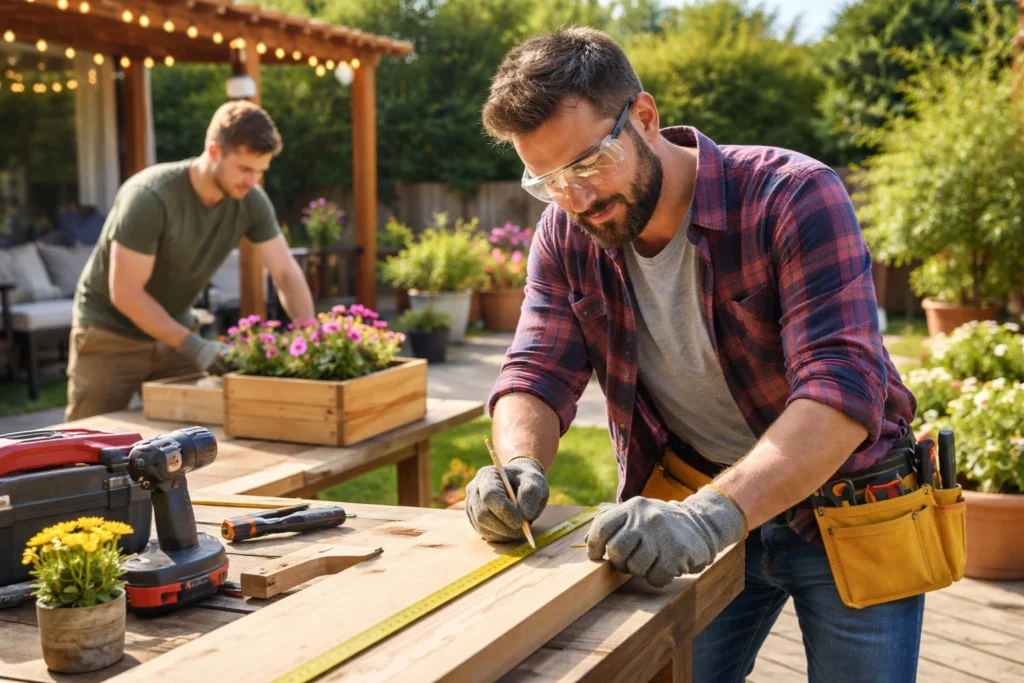

DIY Home Improvement Projects for Beginners
Introduction to DIY Home Improvement for Beginners
Starting your DIY journey can feel overwhelming, especially if you’ve never held a paintbrush or a drill before. But the truth is, home improvement doesn’t have to be complicated or expensive. With beginner-friendly projects, simple tools, and a bit of guidance, you can transform your home while gaining confidence and pride in your work. Whether you’re sprucing up a room, adding storage, or tackling small repairs, DIY projects allow you to personalize your space and make it truly yours. Let’s explore practical ideas to get you started today.
Why DIY Projects Are Great for Homeowners
DIY home projects offer more than just cost savings they empower you to take control of your living space. By completing small projects yourself, you can refresh your home’s look without hiring expensive contractors. Additionally, DIY work is a creative outlet that can relieve stress and give a sense of accomplishment. Beginners can start with manageable tasks like painting, shelving, or hardware upgrades, which gradually build skills for more advanced projects. The combination of personal satisfaction and practical improvement makes DIY a rewarding choice for any homeowner looking to enhance their home environment.
Top Benefits of Starting DIY Projects at Home
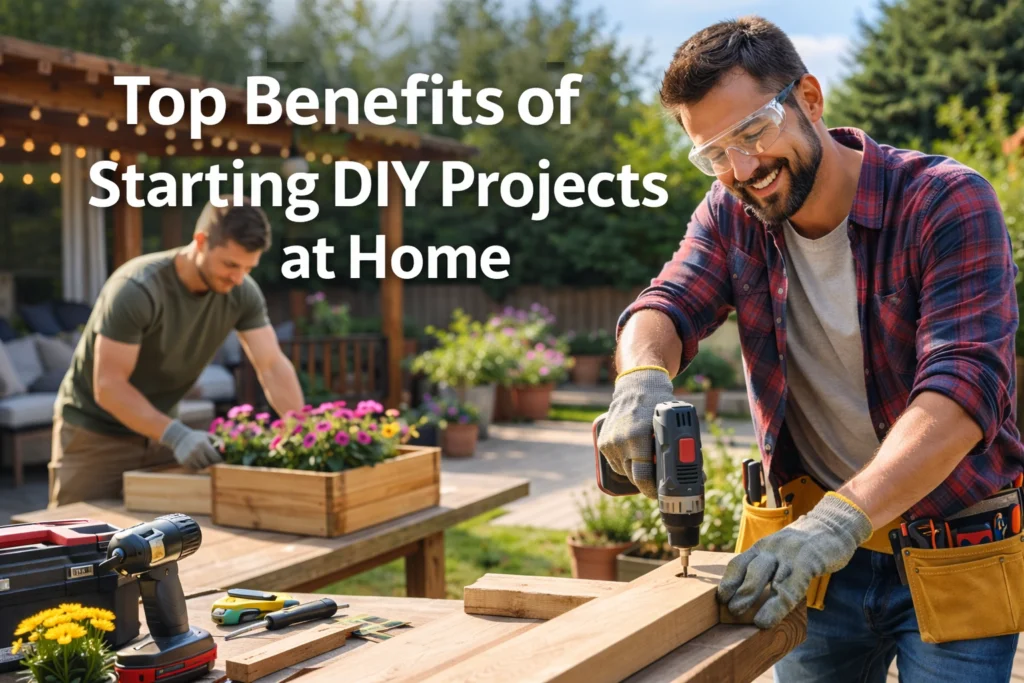
Engaging in DIY projects has numerous benefits beyond aesthetic improvements. First, it saves money, as small tasks often cost a fraction of professional services. Second, DIY work boosts confidence and problem-solving skills, helping you tackle bigger projects in the future. Third, it increases your home’s functionality through organized storage, brighter rooms, and more efficient layouts. Lastly, completing DIY tasks adds a personal touch that reflects your style, making your home uniquely yours. Starting small is key, but the positive effects of DIY extend far beyond the project itself, enhancing both comfort and creativity.
👉 You might also like: Tribupneu Explained
Essential Tools Every Beginner Should Have
Before diving into projects, having the right tools is crucial. A beginner-friendly toolkit should include basic hand tools like hammers, screwdrivers, and pliers for simple fixes. Power tools such as a drill, sander, or jigsaw make tasks faster and more precise. Don’t forget measuring essentials like tape measures, levels, and squares to ensure accuracy. Safety gear, including gloves, goggles, and masks, is equally important to prevent injuries. By investing in these basics, you’ll set yourself up for success on a variety of projects while keeping your work safe, accurate, and enjoyable.
Hand Tools: Hammers, Screwdrivers & Pliers
Hand tools are the foundation of any DIY toolkit. Hammers help with nails and small demolition tasks, screwdrivers allow easy hardware replacement, and pliers assist in gripping or bending materials. These tools are affordable, versatile, and simple for beginners to use. Even small improvements like hanging shelves or tightening loose cabinet screws become manageable with these essentials. Mastering basic hand tools builds confidence and prepares you for more complex tasks, making them indispensable for every DIY enthusiast starting their home improvement journey.
Power Tools: Drill, Sander & Jigsaw
Power tools save time and effort while improving precision. A drill is perfect for creating holes or driving screws, a sander smooths surfaces quickly, and a jigsaw allows for cutting curves and shapes in wood or plastic. Beginners may feel intimidated initially, but starting with simple projects helps you become comfortable. Using these tools correctly ensures professional-looking results even on small tasks. Over time, they expand the range of projects you can tackle, making them a worthwhile investment for anyone serious about home improvement.
Safety Tips for First-Time DIYers
Safety should always come first, especially for beginners tackling home improvement projects. Simple precautions, like wearing gloves, goggles, and masks, protect you from injuries and harmful dust. Ensure your workspace has plenty of light and is clear of any obstacles. When using power tools, read instructions carefully and never rush tasks. Additionally, keep children and pets away from project areas. By adopting these habits early, you’ll prevent accidents and build confidence in your skills, allowing you to enjoy DIY projects without stress or setbacks. Safety is not just smart, it’s empowering.
How to Plan Your First DIY Project Step by Step
Successful DIY begins with careful planning. Start by defining your project goal and identifying what you want to achieve. Measure your space accurately and make a list of tools and materials needed. Break the project into manageable steps, so you know exactly what to do each day. Allow extra time for learning and unexpected challenges. Beginner projects often take longer than anticipated. Planning prevents wasted materials and frustration while keeping your budget under control. A well-structured plan makes the process smoother, enjoyable, and far more likely to produce results you’re proud of.
Budgeting Your DIY Projects Efficiently
Budgeting is key to successful DIY home improvement. Begin by estimating costs for materials, tools, and any additional supplies. Compare prices online and at local stores to find the best deals. Consider borrowing or renting expensive tools if you don’t plan to use them often. Factor in a small extra margin for mistakes, as beginner projects may require adjustments. Proper budgeting ensures you can complete your project without financial stress. By planning expenses wisely, you’ll achieve beautiful results while keeping costs low, making DIY not just fun, but affordable and rewarding.
Simple Painting Projects for Beginners
Painting is one of the easiest and most impactful DIY projects for beginners. Start with small spaces or accent walls before tackling an entire room. Proper preparation, such as cleaning walls and applying primer, ensures a smooth, professional finish. Choose colors that complement your home’s existing style, and don’t be afraid to experiment with bold or trendy shades. Painting furniture, cabinets, or doors adds character without breaking the bank. With minimal tools and careful attention, beginners can dramatically transform their home’s appearance, boosting both comfort and personal satisfaction.
How to Prep Walls for Painting
Proper wall preparation is the secret to a flawless finish. Start by cleaning dirt and dust from surfaces, then fill cracks and holes with spackle. Sand rough areas for smoothness and apply a primer to help paint adhere evenly. Prep protects your walls, prevents uneven textures, and ensures your new color looks vibrant and long-lasting. Even small steps in preparation make a huge difference in the final result, giving your home a polished, professional feel that any beginner can achieve with patience and care.
Accent Walls vs Full Room Painting
Accent walls are beginner-friendly because they require less paint and effort than repainting an entire room. Choose a wall that naturally draws attention, like behind a sofa or bed. Full room painting offers a complete transformation but takes more time, preparation, and precision. Beginners may prefer starting with an accent wall to practice techniques like cutting in, rolling, and blending. Once comfortable, moving on to full rooms becomes easier and more rewarding. Both options allow personalization, creativity, and a fresh look for your living space without overwhelming new DIYers.
Easy Wall Transformations with Minimal Effort
Walls can dramatically change a room’s atmosphere, and beginners have plenty of options beyond painting. Peel-and-stick wallpaper, removable decals, or textured panels allow for creative transformations without permanent commitment. Adding wainscoting, crown molding, or simple shelves enhances style while improving functionality. Even small changes, like hanging framed art or mirrors, can make a big visual impact. These projects are beginner-friendly, affordable, and reversible, making them perfect for renters or cautious DIYers. With minimal tools and effort, you can give your walls a fresh, stylish, and personalized look.
Installing Shelves and Storage Solutions
Adding shelves and storage is one of the most beginner-friendly ways to improve home organization. Floating shelves, cubbies, or wall-mounted racks can declutter spaces while adding style. Start with a simple design, measure carefully, and use a level to ensure straight installation. Materials like wood, MDF, or metal are easy to work with and widely available. Even small additions, such as under-bed storage or spice racks, make daily life more efficient. With these simple projects, beginners can enhance both functionality and visual appeal in any room.
Small Tips for Perfect Shelf Installation
Ensure your wall type matches the fasteners you use: drywall anchors for drywall, screws for studs. Mark positions carefully and double-check measurements before drilling. Starting with one shelf helps you practice accuracy. Once comfortable, you can expand to multiple shelves and creative arrangements, giving any room a clean, organized, and stylish look.
Lighting Upgrades: Simple Electrical DIYs
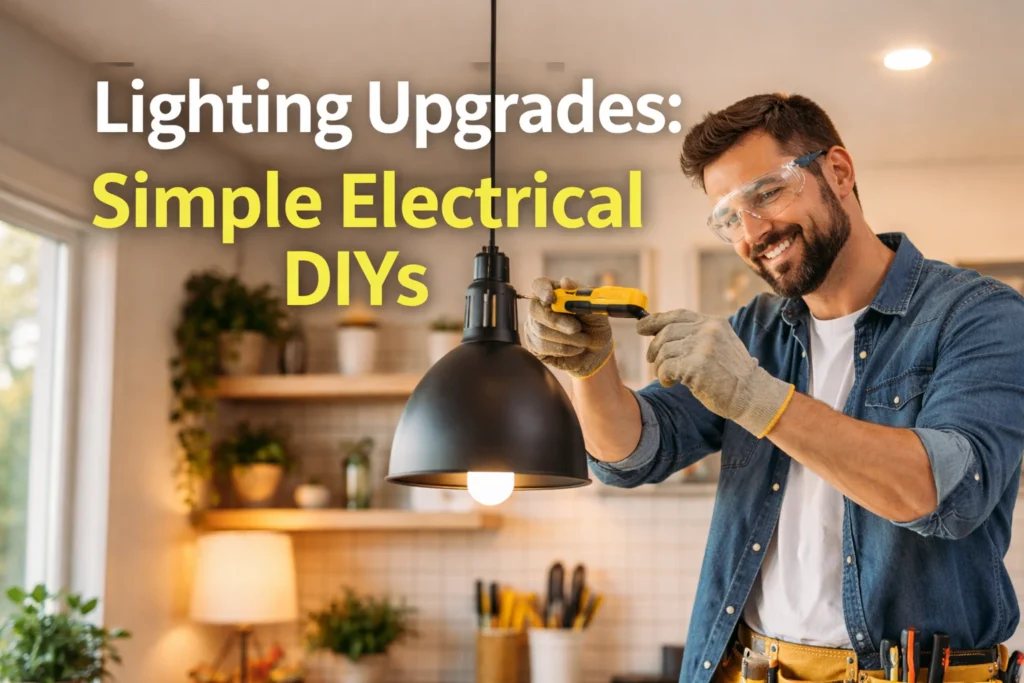
Updating lighting instantly refreshes a room, and beginners can safely handle small electrical projects with proper guidance. Swapping outdated fixtures for modern ones, adding LED strips, or installing dimmer switches improves ambiance and energy efficiency. Always turn off the circuit breaker before touching wiring and follow manufacturer’s instructions carefully. Start with plug-in lamps or battery-operated lights if wiring feels intimidating. Even minor lighting upgrades can transform your space, adding warmth, brightness, and style while teaching you confidence in tackling future DIY electrical projects.
👉 You might also like: Prizmatem Complete Guide 2026
Outdoor DIY Projects You Can Start Today
Outdoor projects can boost your home’s curb appeal and make your backyard more enjoyable. Simple ideas like building a raised garden bed, creating a patio seating area, or installing string lights are beginner-friendly and visually rewarding. Start small and choose materials suited for weather resistance. Outdoor projects offer a chance to get creative, whether it’s vibrant planters or inviting seating setups. These activities not only improve your home but also provide satisfaction in seeing tangible results. Beginners will find outdoor DIY both fun and practical, offering opportunities to enhance both the beauty and functionality of exterior spaces.
Building a Simple Garden Bed
Raised garden beds are easy for beginners and perfect for small spaces. Use untreated wood or durable plastic materials, fill with nutrient-rich soil, and plant flowers, herbs, or vegetables. This project teaches measurement, leveling, and basic construction while adding beauty and productivity to your garden. Even a single garden bed can dramatically improve outdoor aesthetics and provide fresh produce or colorful blooms.
Creating a Cozy Outdoor Sitting Area
Transform a corner of your yard into a relaxing retreat with minimal effort. Use a small table, chairs, and weather-resistant cushions, and consider adding lighting or a small rug. DIY projects like this create a welcoming space for reading, relaxing, or entertaining guests. Beginners can start simple and gradually upgrade with plants, shade structures, or decorative accents for a personal touch.
Small Furniture Projects for Beginners
Upcycling or building small furniture is an accessible DIY path. Start with items like side tables, stools, or simple bookshelves. Using affordable wood, pre-cut pieces, or even pallets simplifies the process. Beginners can practice sanding, painting, staining, and assembling without feeling overwhelmed. These projects not only improve your space but also provide pride in creating functional, personalized items. Even small upgrades add style and efficiency, demonstrating how beginner-friendly furniture projects can transform both rooms and skill levels.
Bathroom and Kitchen Upgrades You Can Do Yourself
Beginners can make impactful changes in bathrooms and kitchens without major renovations. Simple projects include replacing cabinet hardware, installing peel-and-stick backsplash, updating faucets, or adding open shelves. These improvements boost aesthetics and functionality while staying budget-friendly. Careful measurement and basic tool skills are usually enough to achieve impressive results. By starting with smaller upgrades, DIYers gain confidence for more advanced projects, making these essential areas both stylish and functional while reflecting your personal taste.
How to Grow Your DIY Skills Over Time
DIY is a journey, and skills grow with each project. Start small, learn from mistakes, and gradually take on more complex tasks. Watch tutorials, read guides, and practice on inexpensive materials before committing to larger projects. Building confidence with basic tools opens the door to creative solutions, from furniture building to electrical or plumbing upgrades. Documenting your progress helps track improvements and motivates further learning. Over time, beginners evolve into capable DIYers, transforming homes with skill, creativity, and pride while enjoying the satisfaction of hands-on accomplishments.
Conclusion
DIY home improvement projects are a fantastic way for beginners to personalize their space, save money, and build confidence in their skills. By starting small with manageable tasks like painting, shelving, or simple furniture upgrades, you can gradually take on more complex projects with ease. With the right tools, planning, and safety precautions, even first-time DIYers can transform their home while enjoying the satisfaction of hands-on accomplishment. Remember, every project is a learning opportunity so start today, be patient, and celebrate each improvement you make in your home.
Frequently Asked Questions (FAQs)
Do I need prior experience to start DIY home projects?
No experience is needed! Beginner-friendly projects like painting, installing shelves, or updating hardware are perfect for first-timers. Start small and gradually tackle more advanced tasks as your confidence grows.
What essential tools should a beginner have?
Basic hand tools like hammers, screwdrivers, and pliers are essential. A drill, sander, and tape measure are helpful for more precise tasks. Remember to use safety equipment, including gloves, goggles, and face masks.
Tips for Staying Safe During DIY Projects
Always wear protective gear, work in a clean, well-lit space, and follow instructions carefully. Turn off the power when handling electrical tasks and keep children and pets away from the project area.
Can I do DIY projects on a tight budget?
Absolutely! Start with inexpensive materials, borrow or rent tools, and plan your project to minimize waste. Small upgrades like painting or changing fixtures can be budget-friendly yet impactful.
How do I choose the right project for a beginner?
Choose projects that match your skill level and available tools. Simple tasks like accent walls, storage solutions, or furniture painting are great starting points before moving on to advanced projects.
How long does a typical beginner project take?
Time varies depending on the project. Small tasks like installing shelves or painting a wall can take a few hours, while furniture or outdoor projects may take a day or two. Always allow extra time for learning.
Can DIY improvements increase my home’s value?
Yes! Well-executed projects like upgraded cabinets, organized storage, or fresh paint can enhance your home’s aesthetics and functionality, potentially increasing its value if done professionally and safely.
How can I grow my DIY skills over time?
Start small, learn from mistakes, and gradually try more complex projects. Watch tutorials, read guides, and practice techniques on inexpensive materials before moving to bigger improvements.
Are there DIY projects suitable for outdoor spaces?
Yes! Beginners can start with raised garden beds, simple patio seating areas, planters, or string lights. Outdoor projects improve aesthetics and functionality and provide rewarding hands-on results.
What’s the best way to stay motivated as a DIY beginner?
Set small goals, track your progress, and celebrate each completed project. Join online communities or share your results with friends for support and inspiration. Progress, not perfection, is the key.
✨ Good read? Better ones are coming, follow Dympigal