

Exploring the Future of Technology: Trends and What’s Next
Exploring the Future of Technology
The future of technology is no longer a distant concept; it is actively shaping how we live, work, and communicate today. From artificial intelligence to immersive digital experiences, technology is evolving at a pace never seen before. Businesses, governments, and individuals are all being influenced by rapid innovation, making it essential to understand what lies ahead. Exploring future technology helps us anticipate opportunities, reduce risks, and adapt to constant change. As digital systems become smarter and more connected, staying informed is no longer optional. This article takes a forward-looking approach to explain what to expect next in the technology landscape.
The Evolution of Digital Innovation
Digital innovation has evolved from basic automation to intelligent, self-learning systems that improve over time. Early technologies focused on efficiency, while modern solutions emphasize intelligence, personalization, and scalability. Cloud computing, mobile devices, and advanced software platforms have created a foundation for continuous innovation. Today, digital transformation is no longer limited to the tech industry; it impacts healthcare, education, finance, and manufacturing alike. As technology matures, innovation cycles are becoming shorter, forcing organizations to adapt faster. Understanding this evolution helps businesses and individuals prepare for future technological disruptions.
Key Technology Trends Defining the Future
Several technology trends are redefining how industries operate and compete globally. Artificial intelligence, automation, connectivity, and data-driven decision-making are at the core of this transformation. These trends are not developing in isolation; instead, they are converging to create smarter ecosystems. Businesses that recognize and adopt these trends early gain a competitive advantage. Meanwhile, consumers benefit from faster services, improved experiences, and smarter products. As emerging technologies continue to mature, their combined impact will significantly influence economic growth, workforce skills, and digital lifestyles worldwide.
Artificial Intelligence and Machine Learning
Artificial intelligence and machine learning are becoming central to modern technology systems. These technologies allow machines to analyze data, recognize patterns, and make informed decisions with minimal human input. AI-powered tools are now used in customer service, healthcare diagnostics, financial forecasting, and content personalization. Machine learning models continuously improve by learning from new data, making systems more accurate over time. As AI adoption grows, organizations are shifting from experimental use cases to large-scale implementation, making intelligence a built-in feature rather than an optional upgrade.
Generative AI and Intelligent Automation
Generative AI is transforming how content, software, and digital experiences are created. Unlike traditional automation, generative systems can produce text, images, code, and designs independently. Intelligent automation combines AI with process optimization to reduce manual tasks and improve efficiency. Businesses are using these tools to streamline workflows, enhance creativity, and reduce operational costs. As generative technologies become more accessible, they are reshaping industries such as marketing, software development, and customer support, while raising important discussions around ethics and responsible usage.
Quantum Computing Developments
Quantum computing represents a major leap beyond traditional computing systems. Instead of relying on binary logic, quantum computers process information using quantum bits, enabling them to solve complex problems much faster. While still in development, quantum technology has the potential to revolutionize fields such as cryptography, material science, and drug discovery. Governments and tech companies are heavily investing in research to overcome current limitations. As quantum computing matures, it could unlock solutions that are currently impossible for classical computers to handle efficiently.
Internet of Things and Connected Systems
The Internet of Things is creating a highly connected digital environment where devices communicate seamlessly with each other. Smart sensors, wearable devices, and connected machines generate real-time data that improves decision-making and automation. IoT applications are expanding across smart homes, industrial systems, healthcare monitoring, and urban infrastructure. As connectivity improves, these systems become more reliable and scalable. However, increased connectivity also raises concerns about data security and privacy, making secure IoT frameworks a critical focus for future development.
👉 You might also like: Dympigal Tech Explained
Smart Devices and Intelligent Infrastructure
Smart devices are becoming more intuitive, responsive, and integrated into daily life. Intelligent infrastructure uses connected technologies to manage traffic, energy consumption, and public services efficiently. These systems rely on real-time data to optimize performance and reduce waste. As cities and organizations adopt smart infrastructure, they improve sustainability and user experience. The growing adoption of intelligent systems highlights the shift toward data-driven environments where technology actively adapts to human needs.
Extended Reality and Immersive Experiences
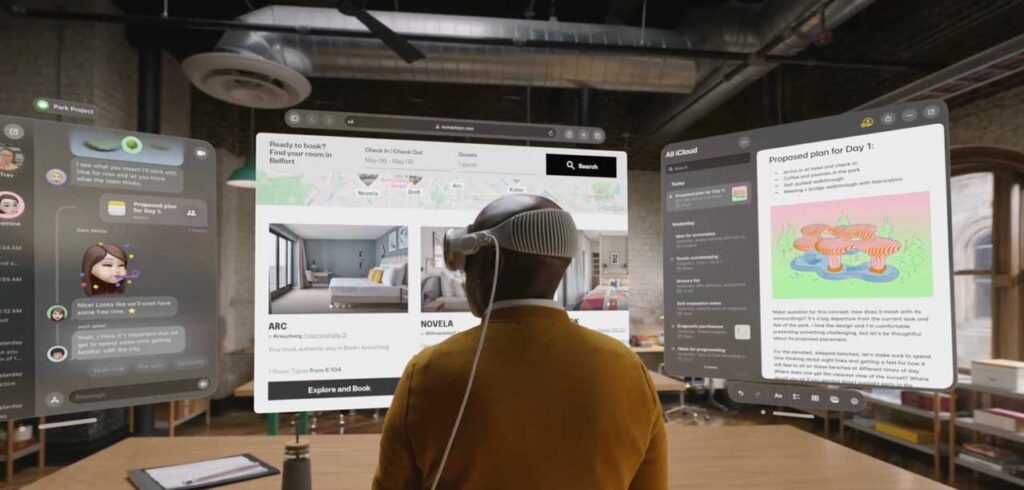
Extended Reality, which includes augmented reality and virtual reality, is reshaping how people interact with digital environments. These technologies move beyond screens and place users inside immersive experiences. Businesses are adopting extended reality for training, simulations, product visualization, and remote collaboration. In education and healthcare, immersive tools improve understanding and skill development through hands-on learning. As hardware becomes more affordable and software more advanced, extended reality is expected to become a standard interface for digital interaction, blending physical and virtual worlds more naturally.
Blockchain Use Cases Beyond Cryptocurrency
Blockchain technology is evolving far beyond its association with cryptocurrency. Its decentralized and transparent structure makes it ideal for secure data sharing, digital identity management, and supply chain tracking. Industries are exploring blockchain to improve trust, reduce fraud, and streamline complex transactions. Smart contracts are automating agreements without intermediaries, saving time and costs. As adoption grows, blockchain is becoming a foundation for secure digital ecosystems rather than just a financial tool, supporting innovation across multiple sectors.
Cybersecurity and Data Privacy Challenges
As technology becomes more connected, cybersecurity and data privacy have emerged as major global concerns. Cyber threats are becoming more sophisticated, targeting individuals, businesses, and governments alike. Protecting sensitive information requires advanced security frameworks, real-time monitoring, and strong encryption. Data privacy regulations are also influencing how organizations collect and manage user information. In the future, cybersecurity will no longer be an afterthought; it will be built directly into systems, products, and digital strategies to ensure long-term trust and resilience.
Next-Generation Connectivity and Networks
Next-generation connectivity is transforming how fast and efficiently data moves across the world. Technologies like 5G and future network standards enable ultra-low latency, higher speeds, and massive device connectivity. These advancements support real-time applications such as autonomous vehicles, remote surgeries, and smart cities. Faster networks also improve cloud computing, streaming, and collaborative tools. As connectivity continues to evolve, it will act as the backbone for emerging technologies, allowing innovation to scale globally without performance limitations.
Robotics and Autonomous Technologies
Robotics and autonomous systems are redefining efficiency across industries. From manufacturing floors to logistics centers, intelligent robots perform tasks with precision and consistency. Autonomous technologies rely on AI, sensors, and real-time data to operate independently. These systems reduce human error, increase productivity, and enhance safety in high-risk environments. As robotics becomes more adaptive and affordable, its use will expand into healthcare, agriculture, and service industries, reshaping how work is performed in both physical and digital spaces.
Autonomous Vehicles and Smart Robotics
Autonomous vehicles and smart robots represent a major shift in mobility and automation. Self-driving technology uses AI and advanced sensors to navigate complex environments with minimal human input. In addition to transportation, smart robotics is improving warehouse operations, delivery services, and industrial automation. These systems learn continuously from their surroundings, improving performance over time. While regulatory and ethical challenges remain, autonomous technologies are steadily moving toward real-world adoption at scale.
Technology Advancements in Healthcare
Technology is revolutionizing healthcare by improving accuracy, accessibility, and patient outcomes. Digital tools enable faster diagnoses, remote consultations, and data-driven treatment plans. Wearable devices and connected systems allow continuous health monitoring, reducing the need for frequent hospital visits. Advanced analytics helps healthcare providers predict diseases and personalize care. As technology continues to integrate with medical systems, healthcare is shifting from reactive treatment to proactive and preventive care models.
AI-Driven Diagnostics and Personalized Medicine
AI-driven diagnostics are enhancing medical decision-making by analyzing large volumes of patient data quickly and accurately. Machine learning models assist doctors in detecting diseases at early stages, improving survival rates. Personalized medicine uses genetic and lifestyle data to tailor treatments for individual patients. This approach reduces side effects and increases treatment effectiveness. As AI adoption grows, healthcare becomes more precise, efficient, and patient-focused.
Digital Transformation in Education
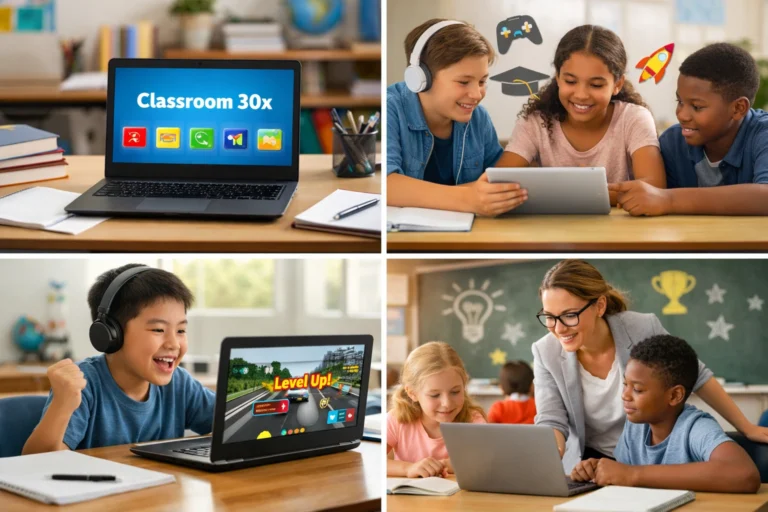
Technology is fundamentally changing how education is delivered and experienced. Digital platforms, virtual classrooms, and AI-powered tools are making learning more accessible and flexible. Students can now learn at their own pace through personalized content and interactive resources. Educational institutions are adopting data-driven systems to track performance and improve outcomes. As technology continues to evolve, education is shifting from traditional classrooms to blended and fully digital environments. This transformation prepares learners with the skills required to succeed in a technology-driven future.
Sustainable and Green Technology Innovations
Green technology is playing a critical role in addressing environmental challenges. Innovations in renewable energy, smart grids, and energy-efficient systems are helping reduce carbon emissions. Businesses are adopting sustainable technologies to minimize environmental impact while maintaining efficiency. Advanced monitoring systems optimize resource usage and reduce waste. As climate concerns grow, green technology is becoming a strategic priority rather than an optional investment. The emrging technology will be closely tied to sustainability, balancing innovation with environmental responsibility.
The Future of Work and Automation

Future of work is being reshaped by automation and digital tools. Routine tasks are increasingly handled by intelligent systems, allowing employees to focus on higher-value activities. Remote and hybrid work models are becoming standard, supported by collaboration platforms and cloud-based tools. Organizations are redefining roles and workflows to adapt to this shift. As automation expands, continuous learning and reskilling become essential for workforce sustainability and long-term career growth.
AI-Enabled Roles and Remote Work Models
AI-enabled roles are emerging across industries, combining human creativity with machine intelligence. Professionals now work alongside AI tools that enhance productivity and decision-making. Remote work models rely on digital collaboration, automation, and data security to operate effectively. These changes offer flexibility while increasing global talent access. As businesses refine remote strategies, AI will continue to support distributed teams and redefine how work is organized and managed.
Ethical and Responsible Use of Technology
As technology becomes more powerful, ethical considerations are gaining importance. Issues such as data privacy, algorithmic bias, and transparency require careful management. Responsible technology use involves designing systems that prioritize fairness, security, and accountability. Governments and organizations are developing frameworks to guide ethical innovation. Ethical practices will play a key role in determining the long-term success of emerging technologies.
Technology Outlook for the Next Decade
Rapid technological convergence and continuous innovation. AI, connectivity, sustainability, and automation will work together to reshape industries and societies. Businesses that remain adaptable and forward-thinking will benefit the most from these changes. At the same time, individuals must embrace digital skills and lifelong learning. The future of technology presents both opportunities and challenges, making proactive preparation essential for long-term success.
✨ Got value? Let’s keep the momentum, follow Dympigal