

How Web3 Is Redefining the Internet Architecture
Web3 and the New Internet Architecture
Web3 represents a fundamental redesign of the internet’s architecture, shifting control from centralized corporations to decentralized networks powered by blockchain technology. Unlike Web2 platforms that store user data on private servers, Web3 applications operate on distributed ledgers, ensuring transparency, immutability, and shared governance. This architectural shift enables peer-to-peer interactions without relying on intermediaries. In practical terms, it means users can transact, publish, and collaborate directly through smart contracts and decentralized protocols. As infrastructure evolves, Web3 is building a more open, censorship-resistant, and user-owned digital ecosystem designed for long-term scalability and digital trust.
The Shift from Web2 to Web3
The transition from Web2 to Web3 is more than a technical upgrade; it is a philosophical transformation of how the internet functions. Web2 centralized power in the hands of major tech companies that monetize user data and control digital identities. Web3 challenges are structured by introducing ownership through tokens, decentralized identities, and community governance. Instead of platforms extracting value from users, Web3 enables users to participate in value creation. This shift toward the “read-write-own” model redefines digital relationships, fostering transparency, reducing dependency on intermediaries, and creating new economic models across finance, media, and online communities.
Decentralization as the Core Framework
Decentralization is the foundational principle that differentiates Web3 from previous internet generations. Rather than relying on a single authority or centralized server, decentralized networks distribute control across multiple nodes worldwide. This structure enhances resilience, reduces single points of failure, and increases security. More importantly, decentralization empowers communities to govern platforms collectively through consensus mechanisms. By removing intermediaries, Web3 promotes direct peer-to-peer engagement and greater accountability. As decentralized protocols mature, they are reshaping industries ranging from finance to digital publishing, fundamentally altering how power and value are distributed across the web.
👉 You might also like: Crackstube Risks Exposed: Malware, Legal Trouble & Safer Alternatives
Blockchain as the Trust Infrastructure
Blockchain technology serves as the trust layer of Web3, enabling transparent and tamper-resistant record-keeping. Every transaction recorded on a blockchain is verified through consensus algorithms, ensuring data integrity without relying on centralized oversight. This distributed ledger system fosters trust among participants who may not know each other. Beyond cryptocurrencies, blockchain underpins decentralized applications, supply chain tracking, digital identity systems, and tokenized assets. Its immutability ensures accountability, while cryptographic security protects user information. As enterprises and developers adopt blockchain infrastructure, it is becoming the backbone of a more secure and verifiable internet ecosystem.
Smart Contracts and Automated Trust
Smart contracts are self-executing digital agreements programmed to run automatically when predefined conditions are met. Built on blockchain networks, these contracts eliminate the need for third-party intermediaries such as banks or legal agents. Once deployed, they execute transparently and cannot be altered without consensus. This automation reduces operational costs, minimizes fraud, and increases efficiency across industries. From decentralized finance platforms to NFT marketplaces, smart contracts power a wide range of Web3 applications. By embedding trust directly into code, they are redefining how agreements are formed, executed, and enforced in the digital age.
Data Sovereignty in Web3
Data sovereignty is one of Web3’s most transformative promises. In traditional Web2 environments, corporations collect, store, and monetize user data, often without meaningful transparency. Web3 reverses this model by allowing individuals to control their digital identities and personal information through cryptographic keys and decentralized storage solutions. Users decide when and how their data is shared, reducing reliance on centralized databases vulnerable to breaches. This shift strengthens privacy, enhances security, and restores ownership to individuals. As awareness grows around data misuse, Web3’s user-centric data framework is becoming increasingly relevant and essential.
Self-Sovereign Identity (SSI)
Self-sovereign identity enables individuals to manage their digital identities without depending on centralized authorities. Through blockchain-based credentials, users can verify their identity securely while maintaining control over personal information. This approach reduces identity theft risks and eliminates repetitive verification processes across platforms. SSI enhances privacy while maintaining compliance, making it a cornerstone of secure Web3 ecosystems.
Cryptographic Wallet Authentication
Cryptographic wallets replace traditional username-and-password systems with secure key-based authentication. By connecting a wallet, users can access decentralized applications without revealing unnecessary personal data. This method significantly reduces phishing and password-related vulnerabilities. Wallet authentication streamlines user experience while maintaining high security standards, reinforcing Web3’s commitment to privacy and user ownership.
Privacy-First Protocols
Privacy-first protocols, including zero-knowledge proofs, enable users to validate information without exposing underlying data. These advanced cryptographic techniques strengthen confidentiality while preserving transparency. By minimizing data exposure, Web3 applications can offer enhanced security and regulatory compliance. As digital privacy becomes a global concern, privacy-centric innovations are positioning Web3 as a safer alternative to traditional online systems.
Decentralized Applications (dApps)
Decentralized applications, commonly known as dApps, operate on blockchain networks rather than centralized servers. Unlike traditional apps controlled by a single entity, dApps rely on smart contracts and distributed infrastructure to function transparently and autonomously. This structure reduces downtime, prevents censorship, and enhances user trust. From decentralized exchanges to gaming platforms, dApps are expanding rapidly across industries. Because their code is often open-source, innovation becomes more collaborative and community-driven. As scalability improves, dApps are positioned to compete directly with traditional Web2 platforms, offering greater transparency, resilience, and user empowerment.
Decentralized Finance (DeFi)
Decentralized Finance, or DeFi, is transforming the global financial system by removing intermediaries such as banks and payment processors. Built on blockchain networks, DeFi platforms enable users to lend, borrow, trade, and earn interest through smart contracts. Transactions occur directly between participants, increasing efficiency and reducing fees. More importantly, DeFi expands financial access to unbanked populations worldwide. With transparent protocols and programmable financial instruments, it challenges traditional banking structures. As innovation continues, DeFi is reshaping investment strategies, liquidity management, and digital asset trading, signaling a major shift in how value moves across the internet.
NFTs and Digital Asset Ownership
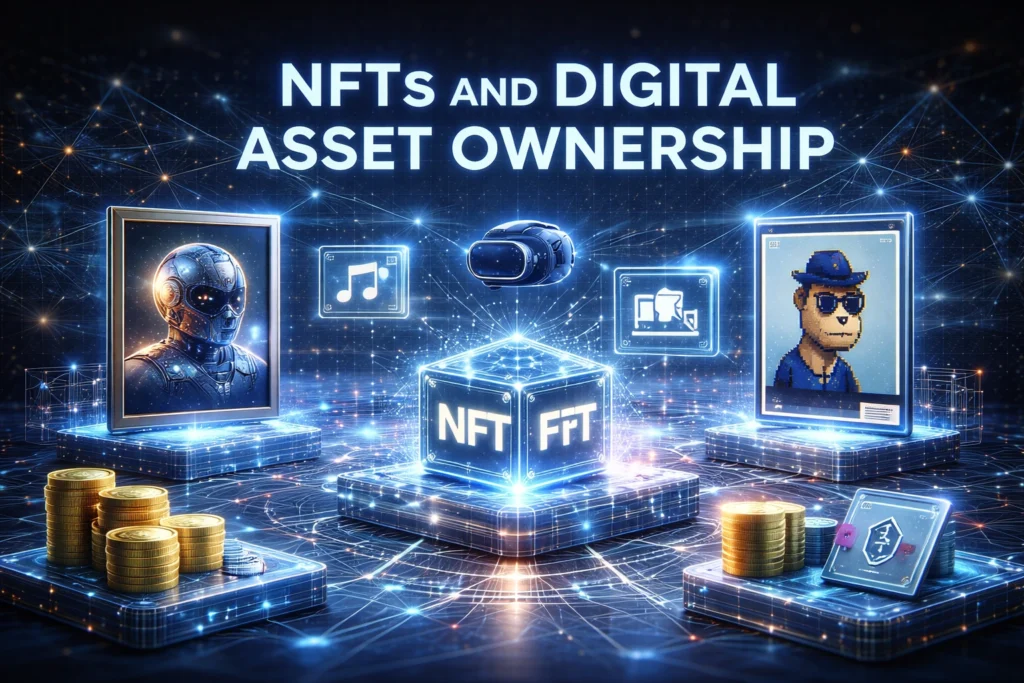
Non-fungible tokens (NFTs) have redefined digital ownership by enabling unique assets to be verified and traded on blockchain networks. Unlike traditional digital files that can be copied endlessly, NFTs prove authenticity and ownership through cryptographic validation. This innovation has transformed industries such as art, gaming, music, and entertainment. Creators can monetize their work directly without relying on centralized platforms, while collectors gain verifiable proof of ownership. Beyond collectibles, NFTs are expanding into real estate, intellectual property, and digital identity. They represent a broader shift toward tokenized assets within the Web3 economy.
👉 You might also like: Best Free Screen Recording Software 2026 – HD, No Watermark
Decentralized Autonomous Organizations (DAOs)
Decentralized Autonomous Organizations, or DAOs, introduce a new governance model powered by smart contracts and token-based voting systems. Instead of hierarchical leadership, DAOs allow community members to propose and vote on decisions collectively. Governance rules are encoded on the blockchain, ensuring transparency and accountability. This structure minimizes centralized control and encourages democratic participation. DAOs are being adopted for investment funds, protocol management, and digital communities. By aligning incentives through tokens, they create a collaborative environment where stakeholders directly influence outcomes, redefining organizational management in the Web3 ecosystem.
Web3 and the Creator Economy
Web3 is revolutionizing the creator economy by removing intermediaries between creators and their audiences. Through tokenization, NFTs, and decentralized platforms, creators can monetize content directly and retain greater ownership of their intellectual property. Instead of relying solely on advertising revenue, creators can offer token-based memberships, digital collectibles, and community governance rights. This model strengthens creator-audience relationships while diversifying income streams. By empowering individuals with transparent revenue distribution and programmable royalties, Web3 fosters a more sustainable and equitable digital economy for artists, writers, developers, and online entrepreneurs.
Transparency and Immutability
Transparency and immutability are defining characteristics of blockchain-based systems within Web3. Every transaction recorded on a blockchain is publicly verifiable and resistant to alteration, creating an auditable digital environment. This level of openness enhances accountability and reduces fraud across financial transactions, supply chains, and governance systems. Immutability ensures that once data is recorded, it cannot be tampered with, strengthening trust among participants. For businesses and users alike, this reliability offers a new standard of digital integrity. As trust becomes increasingly critical online, these principles position Web3 as a transformative solution.
Decentralized Social Networks
Decentralized social networks challenge the traditional model where platforms control user data and content moderation policies. Built on blockchain or distributed protocols, these networks allow users to retain ownership of their content and digital identities. Governance decisions are often community-driven, reducing unilateral censorship and algorithmic manipulation. Additionally, users may earn tokens for participation, aligning incentives between the platform and its community. This shift encourages transparency and accountability while fostering authentic engagement. As concerns over privacy and content control grow, decentralized social platforms offer a compelling alternative to mainstream networks.
Web3 Adoption Challenges
Despite its transformative potential, Web3 faces significant adoption challenges that could slow mainstream integration. Scalability remains a primary concern, as many blockchain networks struggle with transaction speed and high fees during peak demand. Regulatory uncertainty also creates hesitation among enterprises and investors, as governments continue to evaluate digital asset frameworks. Additionally, user experience barriers such as complex wallet setups and private key management discourage non-technical users. Security vulnerabilities in poorly audited smart contracts further impact trust. Overcoming these structural, technical, and educational hurdles will be critical for sustainable Web3 growth.
The Future of the Internet with Web3
Web3 is steadily shaping what many experts describe as the next evolutionary phase of the internet. By combining decentralization, tokenization, and cryptographic security, it introduces a more transparent and user-centric digital environment. As scalability solutions mature and regulatory clarity improves, Web3 applications are expected to integrate seamlessly into everyday online experiences. Enterprises are already exploring blockchain-based infrastructure, while creators and developers continue to innovate. Although challenges remain, the long-term trajectory suggests a more open, participatory, and economically inclusive web. Web3 is not merely a trend; it represents a structural transformation of the internet itself.
Frequently Asked Questions (FAQs)
What is Web3 in simple terms?
Web3 is a decentralized version of the internet where users own their data and digital assets instead of big tech companies controlling them.
How is Web3 different from Web2?
Web2 is platform-controlled, while Web3 gives ownership, transparency, and governance power directly to users through blockchain technology.
Is Web3 only about cryptocurrency?
No, Web3 includes DeFi, NFTs, DAOs, decentralized apps, digital identity, and many blockchain-based innovations beyond crypto.
Are Web3 applications secure?
Web3 uses cryptography and blockchain for security, but poorly coded smart contracts can still create vulnerabilities.
What are dApps in Web3?
Decentralized applications (dApps) operate on distributed blockchain infrastructure rather than being hosted on a single centralized server.
✨ Got value? Let’s keep the momentum, follow Dympigal