

What is UVLACK?
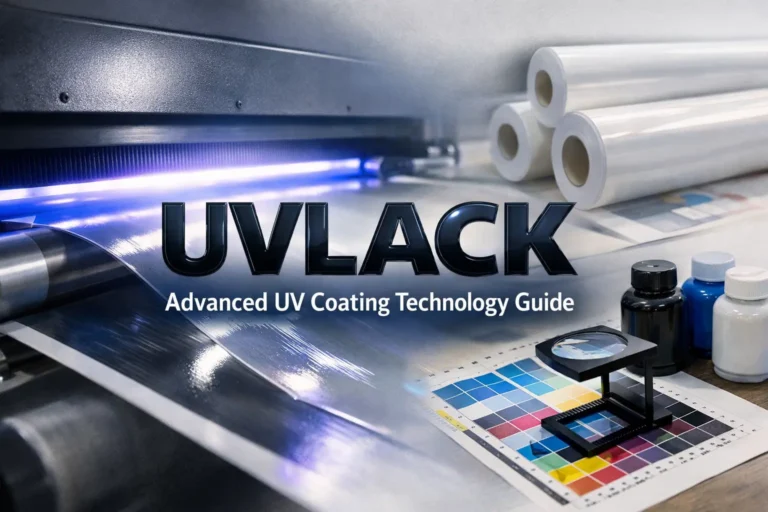
UVLACK is an advanced surface coating technology that uses ultraviolet (UV) light to instantly cure or harden a specially formulated liquid coating. Unlike traditional coatings that rely on air drying or heat curing, UVLACK transforms into a solid layer within seconds when exposed to UV radiation. This makes it a highly efficient and modern solution for industries that require durability, speed, and precision. You’ll often see it used in printing, packaging, manufacturing, and even electronics, where surface protection and visual quality matter just as much as performance and long-term reliability.
How UV Coating Works
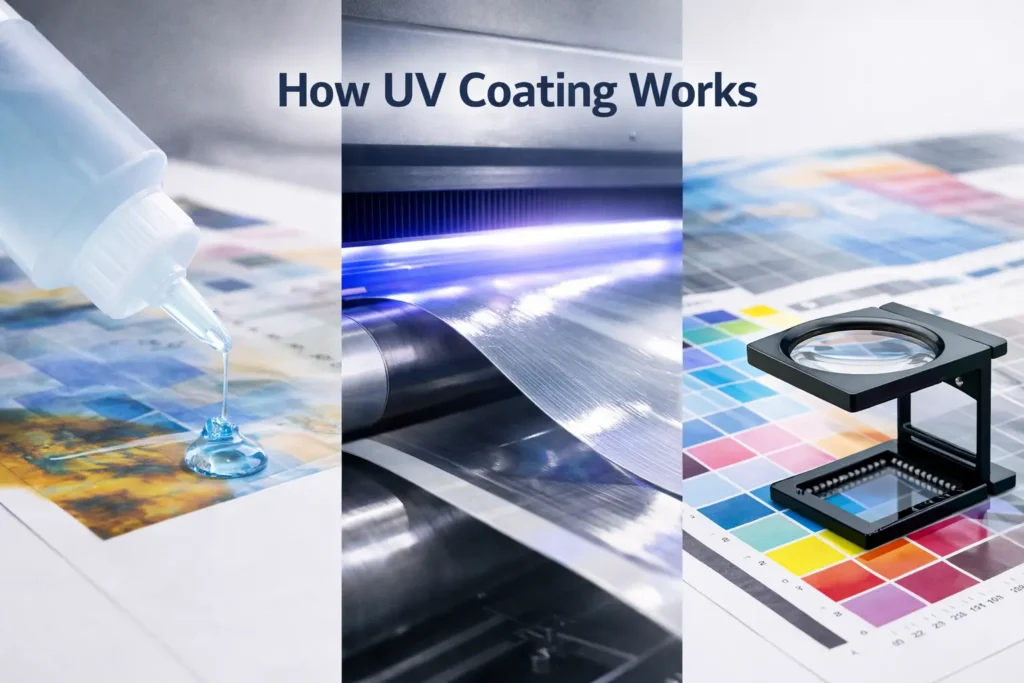
UV coating works through a rapid curing process triggered by ultraviolet light, which initiates a chemical reaction within the coating material. When applied to a surface, the liquid coating remains wet until exposed to UV light. Once exposed, it instantly hardens into a solid, protective layer. This process eliminates the need for drying time, making it highly efficient for high-speed production environments. The precision of UV curing also ensures consistent results, allowing manufacturers to maintain quality while increasing output, which is a major advantage in competitive industries.
👉 You might also like: 5 Best Web Development Tools for Modern Developers
UV Polymerization Process
The core of UV coating technology lies in polymerization, where small molecules called monomers rapidly link together to form a solid polymer structure. This reaction is triggered by UV light, which activates the chemical components in the coating. Unlike slow chemical reactions in traditional coatings, this process happens almost instantly. As a result, the surface becomes durable, resistant, and stable within seconds, making it ideal for industrial-scale applications that demand both speed and reliability without compromising on finish quality.
Photoinitiator Role
Photoinitiators are specialized chemical compounds that play a crucial role in the UV curing process. When exposed to ultraviolet light, these compounds absorb energy and break down into reactive species that start the polymerization reaction. Without photoinitiators, the coating would not cure properly. Their efficiency directly impacts how fast and effectively the coating hardens. Advanced formulations use optimized photoinitiators to ensure consistent curing, even on complex surfaces, which enhances both performance and production efficiency.
Science of UV Curing
The science behind UV curing is rooted in photochemistry, where light energy is converted into chemical energy. When UV light interacts with the coating, it triggers a chain reaction that transforms liquid molecules into a solid network. This process is highly controlled and does not rely on evaporation, which means there is minimal material loss. The result is a dense, uniform coating layer that offers excellent adhesion and protection. This scientific precision is what makes UVLACK stand out from traditional coating technologies in modern industrial applications.
Key Performance Features
UVLACK coatings are known for their exceptional performance characteristics that go beyond basic surface finishing. They provide high gloss, excellent hardness, and strong resistance to scratches and chemicals. Additionally, these coatings maintain their clarity and finish over time, even under harsh conditions. Another standout feature is their consistency, as the curing process ensures uniform results across large production batches. These performance attributes make UVLACK a preferred choice for industries that prioritize both aesthetics and durability in their products.
Core Benefits Explained
One of the biggest advantages of UVLACK is its ability to combine speed with performance. The instant curing process significantly reduces production time, allowing manufacturers to increase efficiency without sacrificing quality. It also minimizes waste since there is no solvent evaporation involved. Beyond efficiency, UV coatings offer long-lasting protection against wear, moisture, and chemicals. This makes them ideal for products that need to maintain their appearance and functionality over time, providing both economic and practical benefits.
Fast Curing Efficiency
Speed is one of the defining benefits of UV coatings. Unlike traditional systems that require hours to dry, UV coatings cure within seconds under ultraviolet light. This dramatically improves production timelines and reduces bottlenecks in manufacturing processes. Faster curing also means lower energy consumption compared to heat-based systems, making it a cost-effective solution. For businesses operating in high-demand environments, this efficiency translates into higher productivity and better overall output.
High Surface Durability
Durability is another key strength of UVLACK coatings. Once cured, the surface becomes highly resistant to scratches, abrasion, and chemical exposure. This makes it suitable for products that undergo frequent handling or are exposed to challenging environments. The coating also maintains its structural integrity over time, ensuring long-term protection. This level of durability not only enhances product lifespan but also reduces maintenance and replacement costs, making it a smart investment for manufacturers.
UV vs Traditional Coatings
When comparing UV-based coatings with traditional systems, the differences are immediately noticeable in both performance and efficiency. Traditional coatings typically rely on air drying or heat curing, which can take hours and often result in uneven finishes. In contrast, UV coatings cure instantly under ultraviolet light, ensuring a consistent and high-quality surface. Additionally, UV coatings produce minimal emissions since they do not depend on solvents, making them a cleaner option. This combination of speed, precision, and environmental benefits positions UV technology as a superior alternative in modern production environments.
Industrial Use Cases
UV coating technology has found widespread adoption across various industries due to its versatility and efficiency. Manufacturers rely on it for applications that demand both durability and visual appeal. Whether it’s enhancing the finish of consumer goods or protecting industrial components, UV coatings deliver reliable results. The ability to cure instantly also supports high-speed production lines, which is essential in today’s competitive markets. As industries continue to prioritize quality and efficiency, UV coatings are becoming an integral part of modern manufacturing processes across the globe.
Multi-Material Compatibility
One of the most valuable aspects of UV coatings is their ability to adhere to a wide range of materials. From plastics and metals to wood and composites, UV coatings provide a consistent finish across different surfaces. This flexibility allows manufacturers to use a single coating system for multiple applications, reducing complexity and cost. It also ensures that products maintain a uniform appearance and level of protection, regardless of the material used in production.
Printing & Packaging Role
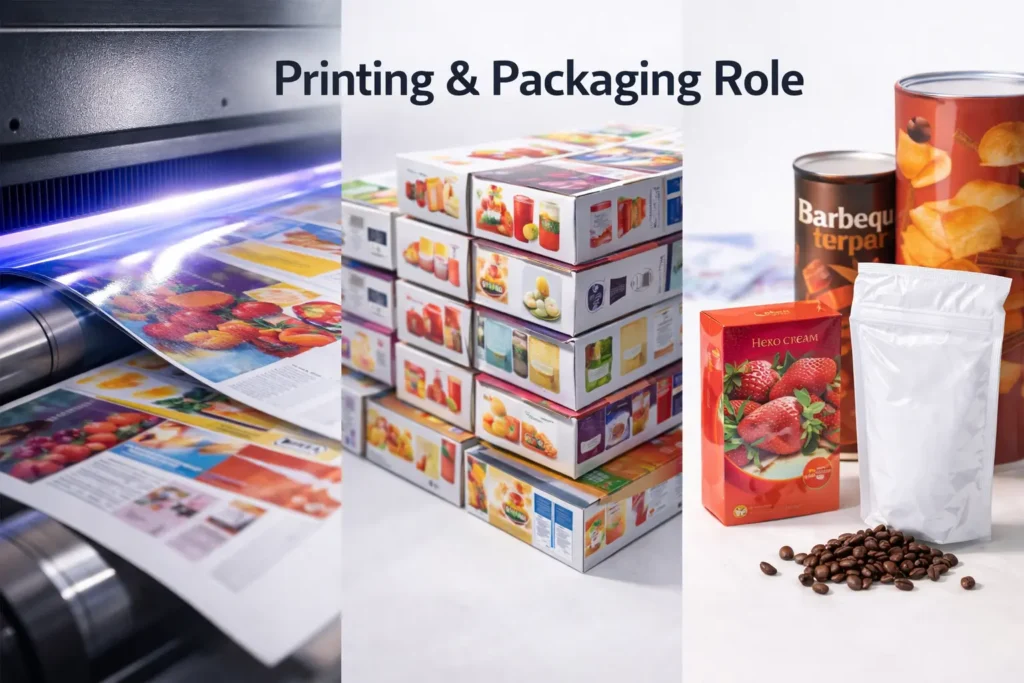
In the printing and packaging industry, UV coatings play a critical role in enhancing both aesthetics and functionality. They add a premium finish to printed materials, making colors appear more vibrant and surfaces more appealing. Beyond visual enhancement, UV coatings also provide protection against smudging, moisture, and wear. This is particularly important for packaging that needs to maintain its quality during transportation and handling. As brands compete for attention, UV coatings help create visually striking and durable packaging solutions.
👉 You might also like: Onnilaina: A Deep Dive into the Future of Fintech Lending
Manufacturing Applications
Within manufacturing environments, UV coatings are used to improve product performance and longevity. They are commonly applied to components that require a strong protective layer without adding significant weight or thickness. The rapid curing process allows manufacturers to maintain high production speeds while ensuring consistent quality. This is especially valuable in industries such as electronics and automotive, where precision and durability are essential. By integrating UV coatings into their workflows, manufacturers can achieve better efficiency and product reliability.
Environmental Impact
Environmental considerations have become increasingly important in industrial processes, and UV coatings offer several advantages in this area. Unlike traditional coatings, they produce very low levels of volatile organic compounds (VOCs), which helps reduce air pollution. The curing process also consumes less energy compared to heat-based systems, contributing to a smaller carbon footprint. These factors make UV coatings a more sustainable choice for businesses looking to align with environmental regulations and reduce their overall environmental impact.
Sustainability Insights
Sustainability is a major driver behind the growing adoption of UV coating technology. Because the curing process does not rely on solvent evaporation, there is minimal material waste, making it a more efficient system overall. Additionally, the durability of UV coatings extends the lifespan of products, reducing the need for frequent replacements. It helps preserve resources while also reducing long-term expenses.
. As industries move toward greener solutions, UV coatings are emerging as a practical and effective option for sustainable production.
Limitations & Challenges
Despite its many advantages, UV coating technology is not without its challenges. One of the primary limitations is the initial investment required for UV curing equipment, which can be higher than traditional systems. Additionally, not all materials are equally compatible with UV coatings, and some may require special surface preparation. There are also technical considerations, such as ensuring proper exposure to UV light for complete curing. Understanding these challenges is essential for businesses to successfully implement and optimize UV coating systems.
Future Innovations
The future of UV coating technology is shaped by continuous innovation and research. Advances in formulation are leading to coatings that offer even greater flexibility, adhesion, and environmental performance. New developments are also focusing on expanding compatibility with a wider range of materials and improving curing efficiency. As technology evolves, UV coatings are expected to become even more accessible and versatile, opening up new possibilities for their use across different industries and applications.
Market Relevance
In today’s fast-paced industrial landscape, coating technologies are no longer just about protection; they are about performance, efficiency, and brand value. UV-based coating systems have gained strong market relevance because they align perfectly with these demands. Businesses are constantly searching for solutions that reduce production time while maintaining high-quality output, and UV curing delivers exactly that. Its growing adoption across industries highlights a shift toward smarter manufacturing practices. As global competition intensifies, technologies that offer speed, consistency, and sustainability are becoming essential rather than optional.
Why This Technology Matters
The importance of UV coating technology goes beyond its technical advantages. It represents a broader transformation in how industries approach surface finishing and product durability. By eliminating long drying times and reducing environmental impact, it enables businesses to operate more efficiently and responsibly. At the same time, it enhances product quality, helping brands stand out in competitive markets. This combination of operational and strategic benefits is what makes UV-based coatings a critical component of modern industrial processes and a key driver of innovation.
Real-World Impact
The real-world impact of UV coatings can be seen across everyday products, from high-end packaging to durable industrial components. These coatings improve not only the appearance of products but also their resistance to wear and environmental factors. As a result, consumers benefit from longer-lasting and more reliable products, while businesses benefit from reduced maintenance and replacement costs. This dual advantage strengthens the value proposition of UV coating technology, making it a practical solution for both manufacturers and end users.
Strategic Adoption
Adopting UV coating technology requires careful planning and understanding of operational needs. Companies must evaluate factors such as equipment requirements, material compatibility, and production goals before implementation. However, once integrated effectively, the benefits can be substantial. Faster production cycles, improved product quality, and reduced environmental impact all contribute to long-term success. Businesses that invest in advanced coating technologies position themselves ahead of competitors by embracing innovation and efficiency.
Conclusion
As industries move toward faster, cleaner, and more efficient production methods, UVLACK stands out as a technology that meets all these demands. It bridges the gap between performance and sustainability, offering a solution that benefits both businesses and the environment. From improving product quality to streamlining manufacturing processes, its impact is both practical and transformative. Looking ahead, the continued growth of UV coating technology is not just likely, it is inevitable, as more industries recognize its value and integrate it into their operations.
✨ Got value? Let’s keep the momentum, follow Dympigal