

How Fitness Bands Count Steps & Calories | Expert Guide
Fitness Band Architecture Overview
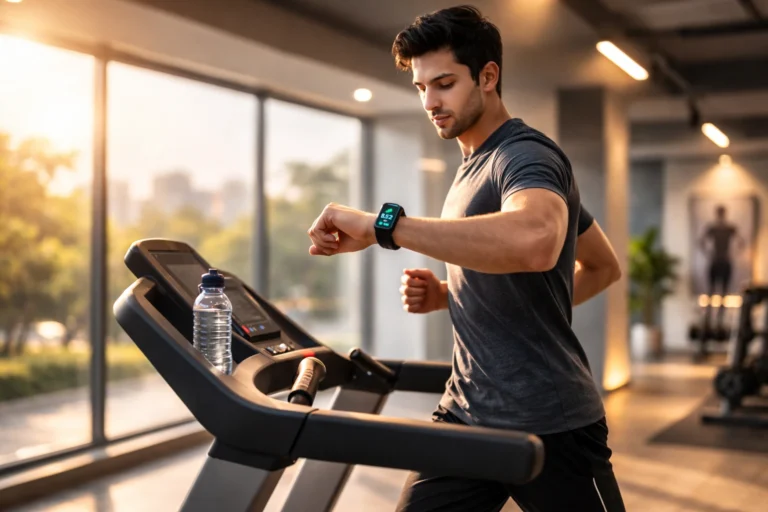
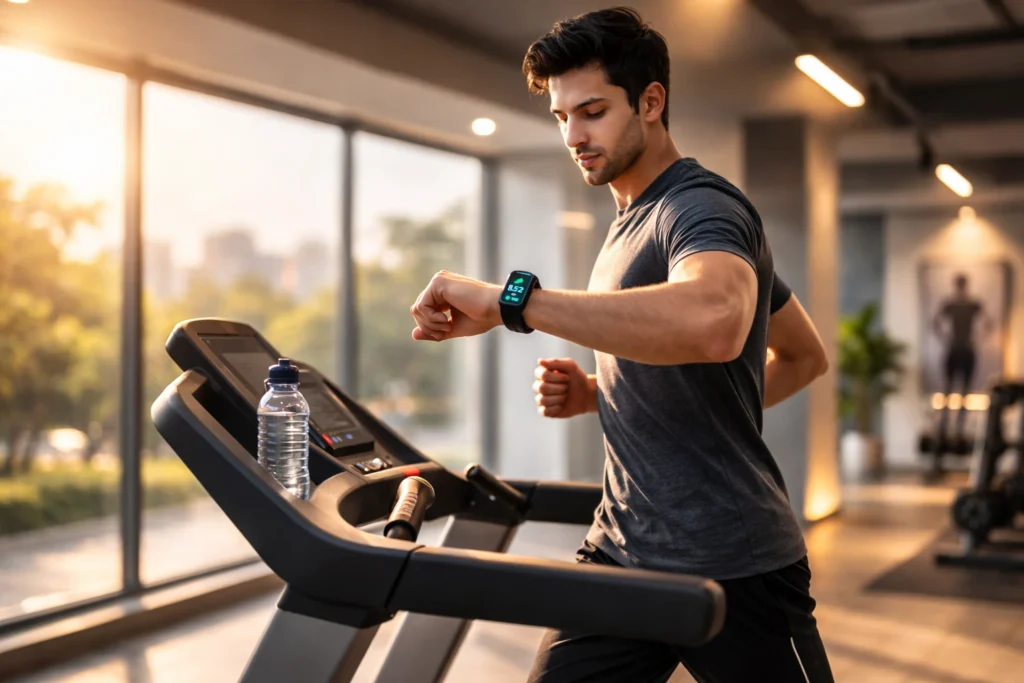
Modern fitness bands are compact but technologically advanced devices built with multiple sensors, microprocessors, and intelligent software working together. At their core, these wearables contain motion sensors like accelerometers and sometimes gyroscopes, optical heart rate monitors, and Bluetooth modules for syncing data. When you move, these sensors capture raw motion signals that are processed through embedded algorithms. Unlike old-school pedometers, today’s fitness bands rely on continuous data sampling and pattern recognition to understand how your body moves. This architecture allows the device to convert simple wrist motion into meaningful metrics like steps taken, calories burned, and distance traveled with impressive efficiency.
Step Detection Mechanism
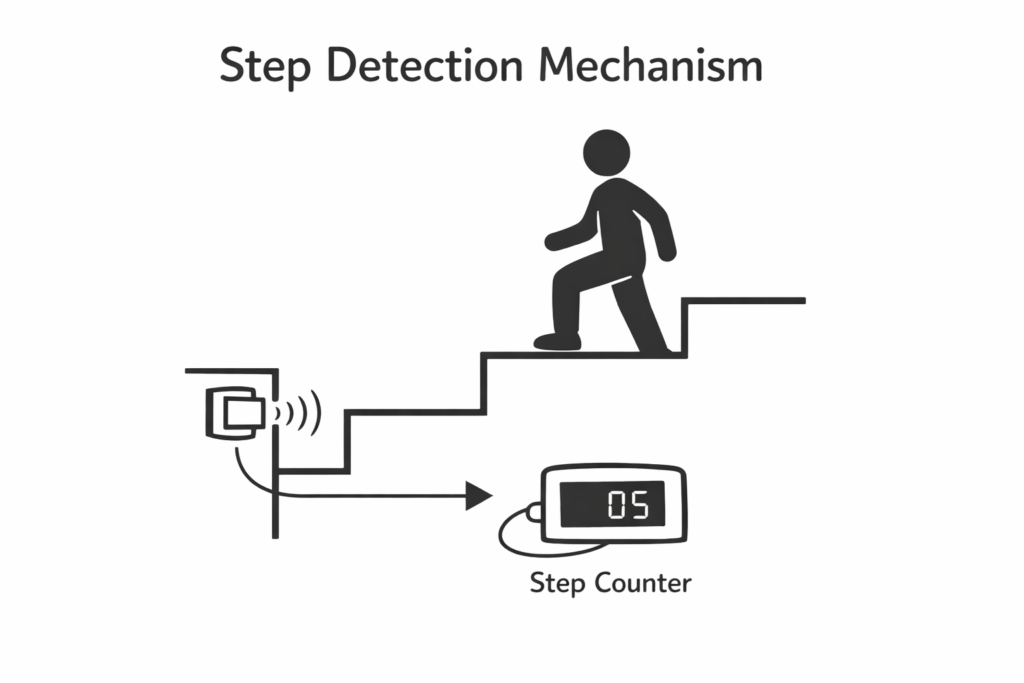
Step counting in fitness bands is not just about detecting movement; it’s about identifying specific movement patterns. When you walk or run, your body creates rhythmic acceleration signals. The band continuously monitors these signals and looks for repetitive motion cycles that match human gait patterns. Each valid cycle is registered as a step. To prevent overcounting, the system applies thresholds so random hand movements don’t get recorded. Advanced models also adapt to your walking speed and stride intensity. This smart detection process is what makes modern step tracking far more reliable than basic mechanical pedometers used in the past.
👉 You might also like: Eschopper Explained: AI-Powered Digital Commerce Platform
Accelerometer Signal Processing
The accelerometer is the primary sensor responsible for step tracking. It measures acceleration forces along three axes: forward-backward, side-to-side, and up-down. Every time your wrist moves, the accelerometer records tiny changes in velocity. However, raw data alone is messy and full of noise. That’s where signal processing comes in. The device filters out irrelevant motion, smooths the waveform, and isolates repetitive peaks that match walking patterns. By analyzing the frequency and amplitude of these signals, the fitness band can differentiate between casual arm swings and actual steps, improving both precision and consistency in tracking.
What Is an Accelerometer?
An accelerometer is a tiny motion sensor that detects changes in speed and direction. In fitness bands, it constantly measures how your wrist moves in three-dimensional space. Whenever you walk, run, or even shift your arm, it records those movements as electrical signals, which are later analyzed to determine whether a real step occurred.
Multi-Axis Motion Tracking
Modern fitness bands use tri-axis accelerometers to capture movement from multiple angles. This allows the device to recognize complex motion patterns rather than simple linear movement. Multi-axis tracking improves accuracy because walking involves vertical bounce, forward motion, and subtle side shifts, all happening at the same time.
Gait Pattern Recognition Algorithms
Detecting motion is only half the job; interpreting it correctly is where algorithms shine. Fitness bands use gait recognition models to analyze repetitive acceleration cycles and determine whether they match natural walking or running rhythms. These algorithms are trained using large datasets of human movement patterns. By comparing real-time data against stored motion signatures, the band distinguishes between true steps and unrelated movements like typing or driving. More advanced systems even adjust to individual walking styles over time. This intelligent pattern recognition ensures that your daily step count reflects actual physical activity rather than random wrist motion.
Thresholds and Pattern Validation
To avoid false positives, fitness bands apply minimum acceleration thresholds and timing rules. If movement doesn’t meet the required intensity or rhythm pattern, it isn’t counted as a step. This validation process helps reduce errors caused by irregular arm movements or sudden jerks.
Motion Noise Filtering Techniques
Everyday activities create unpredictable wrist movements that can interfere with accurate tracking. That’s why noise filtering is essential. Fitness bands use digital filters to remove irregular spikes and background motion that do not follow consistent walking rhythms. For example, waving your hand while talking may generate acceleration data, but the system identifies it as non-cyclical and discards it. Some devices apply adaptive filtering that changes sensitivity depending on activity intensity. By eliminating irrelevant motion signals before counting steps, noise filtering significantly improves data quality and helps ensure your activity stats are dependable and meaningful.
Step Count Error Margins
Even the most advanced fitness bands are not perfect, and small discrepancies in step counting are normal. These errors often stem from wrist placement, walking style, and movement irregularities. For instance, if your wrist is stationary while walking, like holding onto a shopping cart, the band may undercount steps. Conversely, excessive hand movement while sitting or typing can sometimes trigger false counts. Manufacturers design algorithms to minimize these errors by using motion thresholds, pattern recognition, and adaptive filtering, but slight variations remain inevitable. Understanding these limits helps users interpret step data realistically.
Distance Estimation Models
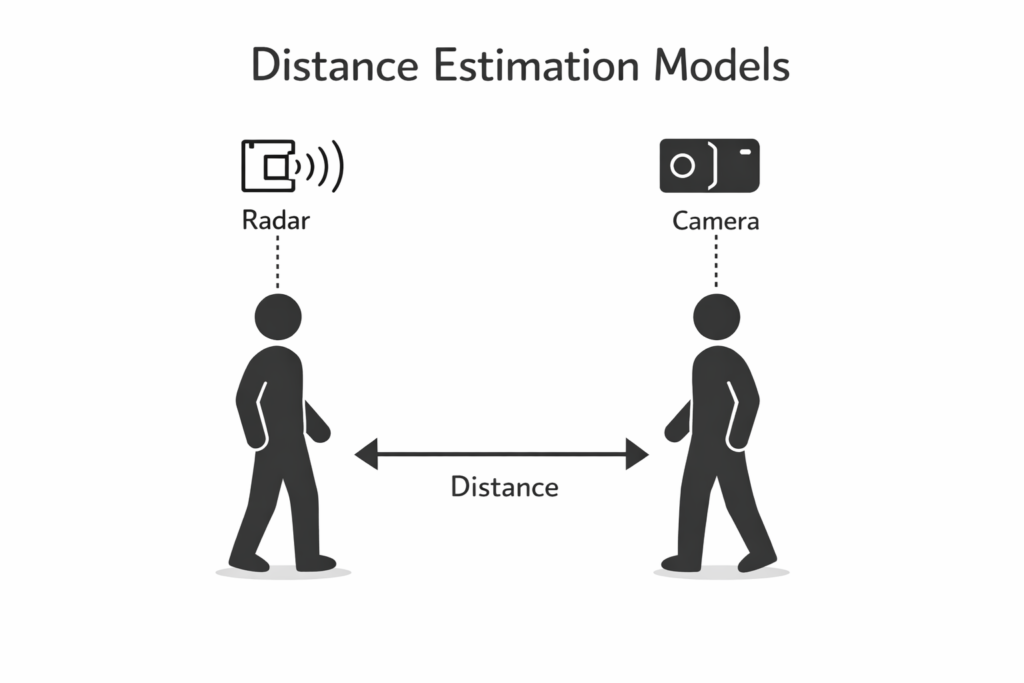
Fitness bands convert step counts into distance using your stride length. Most devices calculate stride length from user inputs like height and gender, sometimes adjusting automatically as your pace changes. When walking faster or running, the band may increase stride estimates to reflect longer steps. Some advanced models combine GPS or altimeter data for more precise distance tracking, especially outdoors. Distance estimation allows users to visualize their daily activity beyond steps alone, making it easier to plan workouts or monitor progress toward fitness goals, even if the measurement isn’t perfectly precise.
👉 You might also like: Master Wi-Fi Networking: Routers, Modems & LAN Simplified
Calorie Burn Estimation Logic
Calories burned are calculated using multiple inputs: movement intensity, heart rate, personal data (age, weight, height), and basal metabolic rate (BMR). Fitness bands track your steps and motion to estimate active energy expenditure, while heart rate sensors provide additional insight during exercise. Algorithms combine this data with activity type and duration to estimate calories burned. Although estimates vary by brand and device, they offer a reasonable benchmark for fitness tracking. The combination of sensors and intelligent software ensures that your band goes beyond simple step counts to give a more complete picture of energy expenditure.
Active vs Resting Energy Metrics
Fitness bands distinguish between active calories (burned during movement) and resting calories (energy your body uses at rest). Active calories account for physical activity like walking, running, or cycling, while resting calories reflect metabolic processes like breathing, circulation, and organ function. By separating these metrics, bands provide a more accurate representation of total energy expenditure. Users can track both components to understand how their lifestyle impacts overall calorie burn and tailor diet or exercise routines accordingly, leading to smarter health and fitness decisions.
Heart Rate–Based Energy Modeling
Heart rate sensors add a crucial layer of precision to calorie estimation. During exercise, your heart rate rises proportionally to effort, providing the band with real-time data about intensity. Algorithms integrate heart rate with movement data to refine calorie calculations. Higher heart rates generally indicate higher energy expenditure, which helps the device better differentiate between light activity like walking and intense exercise like running or HIIT sessions. Heart rate modeling allows fitness bands to deliver more personalized calorie counts compared to devices relying solely on step-based estimates.
BMR Integration in Calorie Algorithms
Basal metabolic rate (BMR) represents the calories your body burns at rest to maintain essential functions. Fitness bands incorporate BMR into their total energy calculations by using your personal data age, weight, height, and gender. This integration ensures that daily calorie estimates reflect not only your active energy expenditure but also the energy your body naturally uses. Understanding BMR helps users see the baseline number of calories needed for maintaining weight and allows more accurate planning of workouts and nutrition strategies.
MET-Based Activity Calculations
Some fitness bands use MET (Metabolic Equivalent of Task) values to adjust calorie calculations based on activity type. Different exercises burn energy at varying intensities, and MET values quantify this. For example, walking slowly has a lower MET than running or cycling. Bands combine MET values with heart rate, step count, and personal metrics to fine-tune calorie estimates. This approach provides more accurate energy expenditure tracking across diverse activities, helping users understand how each activity contributes to overall fitness and weight management goals.
Sensor Fusion Technology
Modern fitness bands often use sensor fusion combining accelerometer, gyroscope, heart rate, and sometimes GPS data to improve accuracy. By analyzing multiple data streams simultaneously, the device can better distinguish between walking, running, cycling, or even driving. Sensor fusion reduces errors caused by isolated readings and allows more complex pattern recognition. This technology enhances both step counting and calorie estimation, making modern wearables far more reliable than older single-sensor devices. Users benefit from comprehensive activity insights without relying solely on one type of measurement.
Cross-Device Accuracy Comparison
Not all fitness bands are created equal. High-end devices with multiple sensors and advanced algorithms often deliver better accuracy than budget models. Smartwatches tend to outperform basic bands due to more sophisticated hardware and larger datasets for algorithm training. However, even premium devices can show discrepancies compared to medical-grade equipment. When comparing brands, factors like sensor type, firmware, and calibration influence precision. Understanding these differences allows users to choose devices that match their fitness needs and interpret data with realistic expectations.
Data Calibration & Optimization Strategies
To maximize accuracy, many fitness bands allow calibration using personal stride length, weight updates, and activity-specific settings. Regular syncing and firmware updates also ensure algorithms remain optimized. Users can improve step and calorie tracking by wearing the band correctly, avoiding loose straps, and updating personal metrics. Some devices even learn your unique movement patterns over time to refine calculations. Proper calibration and mindful use allow the band to provide more reliable data, helping users make informed decisions about fitness routines, diet, and overall health.
Step Tracking Error Mitigation
Even with advanced sensors and algorithms, fitness bands can occasionally miscount steps. To minimize errors, modern devices use adaptive learning to distinguish between actual walking or running and random wrist movements. Some bands automatically adjust sensitivity based on activity type, while others allow users to manually calibrate stride length. Regular firmware updates also refine step detection algorithms. By understanding these error sources and mitigation methods, users can trust that their daily activity data is reasonably accurate and reflective of true movement patterns, rather than isolated or accidental arm motions.
Calorie Tracking Challenges
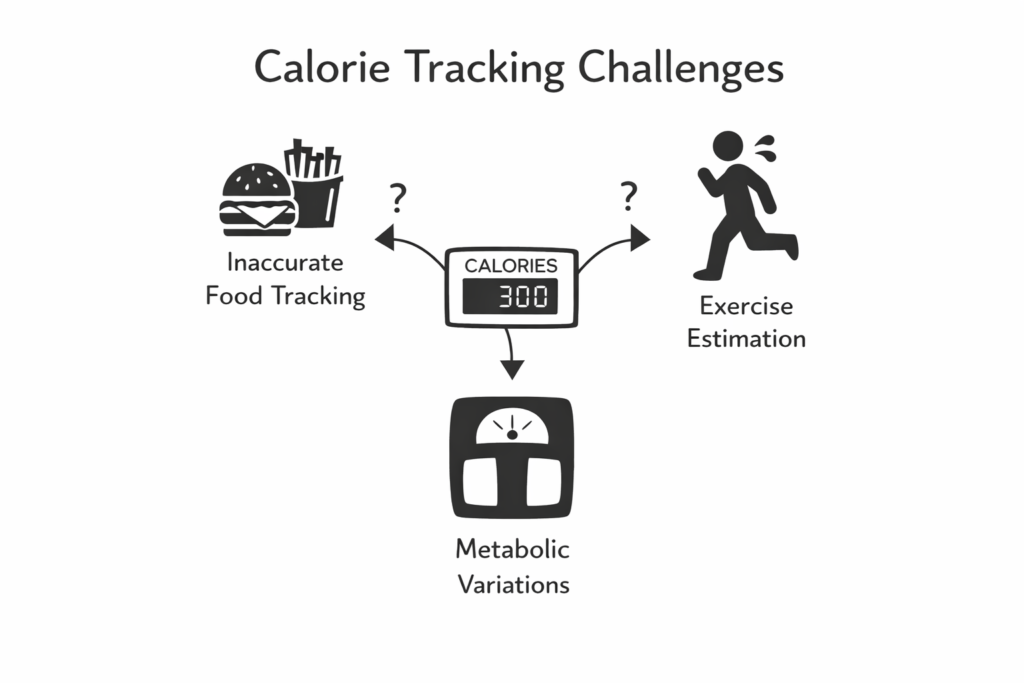
Calorie estimation is inherently complex because it depends on multiple variables, including heart rate, motion intensity, metabolism, and user input accuracy. Variations in fitness levels, body composition, and walking or running style can lead to under- or overestimation. Fitness bands try to compensate with algorithms that combine heart rate monitoring, step data, and MET-based activity scaling. While no device is perfectly precise, these systems provide a practical estimate of energy expenditure. Understanding the limitations helps users interpret calorie data realistically, ensuring they use it as guidance rather than exact measurements.
Wearable Behavioral Insights
Fitness bands do more than track metrics; they offer actionable insights to improve fitness habits. By analyzing step patterns, heart rate trends, and calorie expenditure, they can highlight periods of inactivity, recommend goal adjustments, and even prompt movement reminders. Many bands provide daily, weekly, and monthly trends, motivating users to stay active consistently. This feedback loop is essential for building healthy routines. Behavioral insights empower users to make informed decisions, track progress over time, and achieve measurable improvements in fitness levels, making the device more than a tracker; it becomes a personal coach.
Optimal Wrist Placement
Proper placement of a fitness band significantly affects tracking accuracy. Wearing the device too loose or too high on the wrist can distort accelerometer readings, while wearing it on the non-dominant hand generally reduces false positives. Some devices recommend positioning just above the wrist bone, ensuring sensors maintain consistent contact with the skin. Correct placement allows heart rate monitors to read more accurately and motion sensors to detect true step patterns, maximizing the reliability of step and calorie data. Users should follow manufacturer guidelines to get the most accurate and meaningful readings from their wearable.
Smartwatch vs Fitness Band Tracking
Smartwatches often include more advanced sensors and computing power than basic fitness bands, offering richer insights and higher accuracy. GPS-enabled smartwatches can measure outdoor distance and speed directly, while fitness bands often rely on step-based estimations. Smartwatches may also provide more sophisticated heart rate algorithms and multi-sport activity recognition. However, fitness bands remain convenient, lightweight, and battery-efficient alternatives for everyday tracking. Choosing between them depends on user goals, activity level, and desired data granularity. Understanding their differences helps users select the right device for consistent and reliable monitoring.
Integrating Wearables with Health Platforms
Modern fitness bands are designed to integrate seamlessly with health apps and platforms, including Apple Health, Google Fit, and third-party fitness apps. This allows users to consolidate activity, calorie, and heart rate data across devices, providing a comprehensive overview of health trends. Integration also enables goal tracking, progress visualization, and personalized recommendations based on aggregated data. Users can leverage these platforms to analyze patterns, plan workouts, and monitor overall wellness, making the wearable part of a connected health ecosystem rather than a standalone gadget.
Understanding Your Data
Fitness bands provide raw numbers, but interpreting them is key to actionable insights. Step counts, calories burned, and heart rate readings should be viewed in context, considering factors like activity type, intensity, and daily routines. Recognizing trends over time, rather than focusing on single-day fluctuations, offers a more accurate picture of progress. Users should also account for potential discrepancies due to device limitations or unusual movement patterns. By learning to read the data intelligently, users can make informed decisions about exercise, nutrition, and lifestyle, turning wearable technology into a powerful tool for personal health.
Practical Tips for Users
To maximize the accuracy and usefulness of your fitness band, follow a few simple tips: wear the device snugly on your wrist, update personal metrics regularly, and calibrate stride length if your device allows. Avoid loosely wearing it during vigorous activity, and ensure firmware is up-to-date for the latest algorithm improvements. Use reminders and behavioral feedback features to maintain consistency. Regularly sync the device to analyze trends and adjust goals. By taking these steps, users can ensure their step counts and calorie estimates are as reliable as possible, transforming the wearable into a trustworthy companion for daily fitness tracking.
Future of Fitness Band Technology
The future of wearables promises smarter sensors, AI-driven personalized algorithms, and deeper integration with healthcare systems. Expect more accurate step and calorie tracking through multi-sensor fusion, better activity classification, and predictive analytics that anticipate user needs. New devices may provide medical-grade monitoring for heart rate variability, sleep quality, and metabolic health. Innovations in battery technology and lightweight materials will further enhance usability. As technology advances, fitness bands will not just track activity, they will proactively guide users toward better health and fitness outcomes with unprecedented precision and personalization.
Conclusion

Fitness bands are sophisticated tools that translate raw motion and physiological data into meaningful health insights. From step detection using accelerometers and advanced algorithms to calorie estimation based on heart rate and personal metrics, these devices offer valuable guidance for active lifestyles. While not perfectly precise, their combination of sensors, software, and behavioral insights empowers users to monitor, analyze, and improve fitness habits. Understanding how these wearables work, their limitations, and best usage practices ensures users can make informed decisions, achieve fitness goals, and embrace a healthier, more active life.
✨ Got value? Let’s keep the momentum, follow Dympigal