

Home Pipe Line Change: Complete Guide
A home pipeline change refers to replacing old or damaged plumbing pipes with a new and more reliable system. Over time, pipes wear out due to corrosion, mineral buildup, and daily water pressure. When this happens, homeowners often face leaks, low water pressure, and poor water quality. Repiping solves these problems by installing modern plumbing materials that improve durability and water flow.
In many homes, especially those over 30 years old, plumbing systems may include outdated materials like galvanized steel that deteriorate with age. Replacing these pipes ensures cleaner water, fewer plumbing emergencies, and a longer-lasting system. A properly executed repiping project strengthens your home’s entire water infrastructure.
When Does a Home Need Repiping?
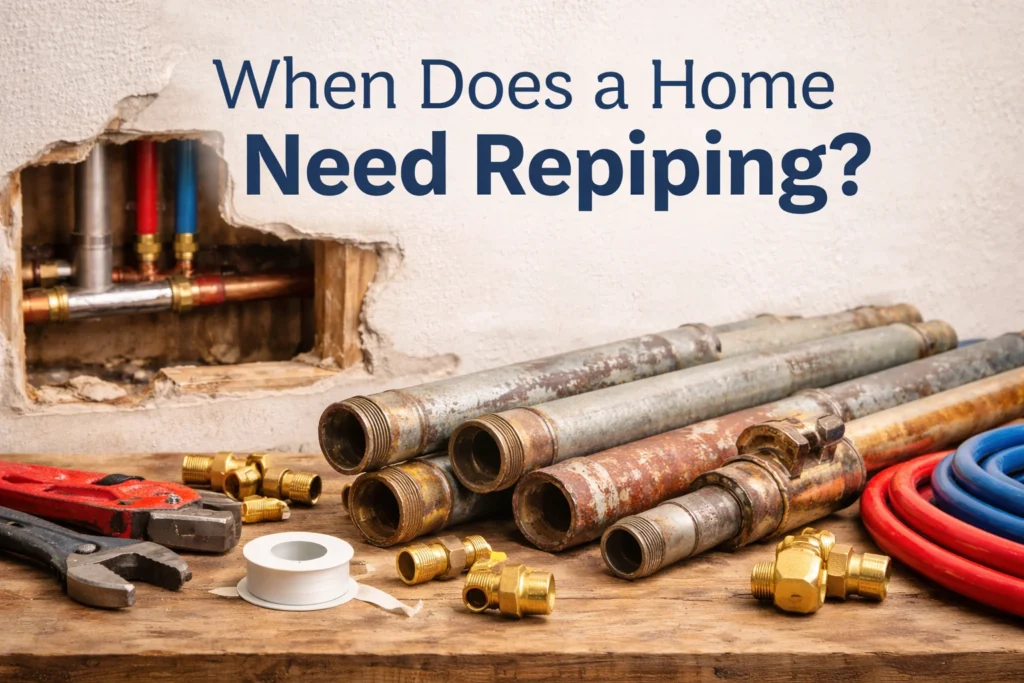
Many homeowners wait until plumbing problems become severe before considering a pipe replacement. However, recognizing the right time for repiping can prevent costly water damage and repeated repairs. Older homes built decades ago often have pipes that have reached the end of their lifespan.
Materials such as galvanized steel or outdated plastic pipes can corrode or crack after years of use. Frequent plumbing repairs, constant leaks, and sudden drops in water pressure often signal deeper issues within the system. Repiping becomes necessary when these problems appear repeatedly. Instead of fixing individual sections of pipe, replacing the entire plumbing network provides a long-term solution that restores reliability and efficiency.
👉 You might also like: Novafork Guide: Features, Safety, and Streaming Insights
Warning Signs of Plumbing System Failure
Your home’s plumbing system usually gives early warning signs before a major failure occurs. Paying attention to these signs can save you from emergency repairs and expensive structural damage. One common indicator is inconsistent water pressure. If showers suddenly weaken or faucets struggle to deliver a steady flow, the internal pipes may be narrowing due to corrosion.
Another warning sign is unusual noises in the pipes, such as banging, rattling, or vibrating. These sounds often suggest pressure imbalance or aging pipe joints. Homeowners should also watch for unexplained increases in water bills, damp walls, or recurring leaks. These symptoms often mean the plumbing system is approaching the point where a full pipe replacement becomes necessary.
Low Water Pressure in Aging Pipes
Low water pressure is one of the most common indicators of an aging plumbing system. Over time, minerals and rust accumulate inside older pipes, reducing the internal diameter and restricting water flow. As a result, showers become weaker, and appliances like washing machines may operate less efficiently.
When cleaning fixtures or replacing small valves does not solve the issue, the problem often lies within the pipes themselves. Repiping restores proper water pressure by installing new, smooth interior piping.
Types of Residential Plumbing Pipes
Modern plumbing systems rely on several different pipe materials, each designed for durability, efficiency, and cost-effectiveness. Copper pipes have been widely used for decades because of their strength and resistance to bacteria. However, newer materials like PEX have become increasingly popular due to their flexibility and easier installation.
PVC and CPVC pipes are also common in residential plumbing systems, particularly for drainage or cold water supply lines. Choosing the right pipe material depends on factors such as water pressure, climate conditions, and budget. Today’s plumbing upgrades often combine multiple pipe types to create a system that balances performance, longevity, and installation efficiency.
PEX vs Copper: Choosing the Right Pipe
Two of the most widely used materials for modern home plumbing are PEX and copper. Copper pipes are valued for their strength, ability to resist corrosion, and long service life. Many professionals trust copper because it can last for decades when installed properly.
PEX, however, offers flexibility and faster installation. Because it bends easily, plumbers can route it through walls and ceilings with fewer fittings. It also tends to cost less than copper while still providing reliable water delivery. The best choice usually depends on budget, home layout, and local plumbing codes, but both materials provide dependable solutions for modern repiping projects.
Pre-Planning for a Home Repiping Project
A successful home pipeline change begins with careful planning. Before removing any existing pipes, homeowners should evaluate the entire plumbing layout of the house. This includes identifying water supply lines, fixtures, shut-off valves, and potential access points behind walls or under floors.
Professional plumbers often create a detailed pipe routing plan to minimize disruption during installation. Planning also involves selecting the appropriate pipe materials and ensuring the system meets local building codes. Preparing in advance helps reduce unexpected costs and construction delays. With the right planning, repiping becomes a smooth process that upgrades the home’s plumbing system without unnecessary complications.
Step-by-Step Home Pipe Line Replacement
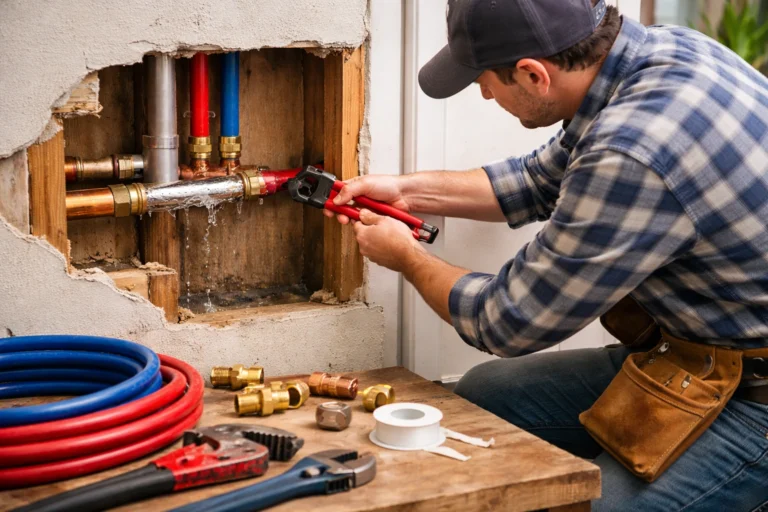
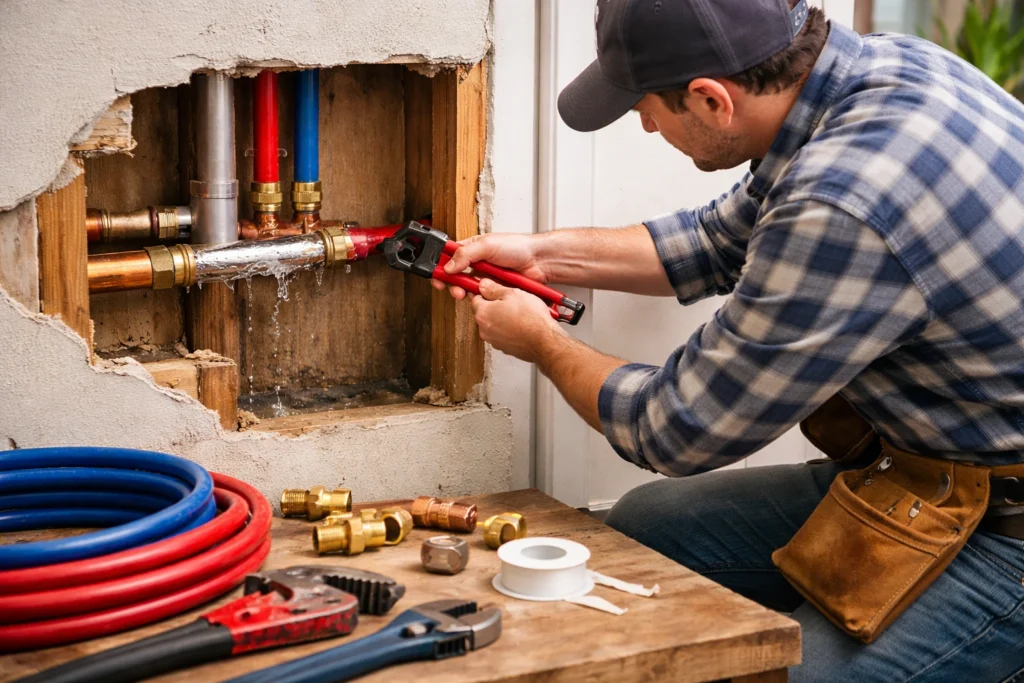
Replacing the plumbing pipes in a house requires a structured process to ensure safety and long-term performance. The project usually begins by shutting off the main water supply and draining the existing plumbing lines. Plumbers then remove outdated or damaged pipes from accessible areas such as basements, crawl spaces, and walls.
Next, new pipes are carefully installed according to the updated plumbing layout. Connections are secured with appropriate fittings, and supply lines are routed to fixtures like sinks, showers, and appliances. After the installation is finished, the plumbing system is pressurized and carefully checked to ensure there are no leaks. Proper repiping restores efficient water flow and ensures the entire plumbing network functions smoothly.
Essential Tools for Pipe Replacement
A successful home pipeline change requires the right set of plumbing tools and equipment. Professional plumbers rely on pipe cutters, adjustable wrenches, crimping tools, and pipe bending tools to perform accurate installations. These tools allow technicians to cut pipes precisely and create secure connections between fittings.
Additional equipment such as pipe clamps, sealing tape, and pressure testing devices help ensure the system remains leak-free. For modern materials like PEX, specialized crimping tools are used to secure fittings quickly and safely. Having the correct tools not only improves installation quality but also reduces the chances of plumbing failures in the future.
DIY Repiping vs Professional Plumbing
Many homeowners consider replacing their pipes themselves to reduce costs, but repiping a house is a complex task that requires technical knowledge. DIY plumbing may work for small repairs, yet replacing an entire pipe system involves careful planning, code compliance, and professional tools.
Hiring a licensed plumber ensures that the installation meets safety standards and local regulations. Professionals can also identify hidden issues such as pipe corrosion, structural limitations, or pressure imbalances. Although professional services may cost more upfront, they often prevent costly repairs and water damage later, making them a safer long-term investment.
Average Cost of Home Pipe Line Change
The cost of a home pipeline change can vary widely depending on the size of the house and the materials used. On average, homeowners may spend anywhere from a few thousand dollars to significantly more for a complete repiping project. The price typically includes labor, pipe materials, fittings, and installation work.
Copper piping systems often cost more due to material expenses, while PEX systems are generally more affordable and quicker to install. Additional costs may arise if walls need to be opened or if the plumbing layout requires major adjustments. Getting multiple estimates from qualified plumbers helps homeowners understand the expected investment.
Key Factors That Influence Repiping Cost

Several factors determine the total cost of replacing plumbing pipes in a home. One major factor is the size and layout of the house. Larger homes require more piping, additional fittings, and more labor time. Another factor is the type of pipe material chosen, as copper pipes tend to be more expensive than PEX or CPVC.
Accessibility also affects pricing. Pipes hidden behind walls, ceilings, or concrete floors can increase installation complexity. Local labor rates and building code requirements may further influence the final cost. Understanding these factors helps homeowners plan their budget more accurately before starting a repiping project.
👉 You might also like: Transform Your Home: Expert Paint Color Ideas
Rusty or Discolored Tap Water
Rusty or brown-colored water is often a sign that your plumbing pipes are deteriorating internally. Older metal pipes can develop corrosion over time, which contaminates the water flowing through them. This not only affects water’s appearance but may also alter its taste and quality.
If discoloration appears frequently, replacing the aging pipes may be the most effective solution.
Frequent Leaks and Pipe Corrosion
Recurring leaks are another strong indication that a home’s plumbing system is failing. Corrosion gradually weakens pipe walls, causing small cracks and pinhole leaks to form. While individual leaks can be repaired temporarily, repeated problems usually signal widespread pipe deterioration.
In such cases, replacing the entire plumbing network provides a safer and more reliable long-term solution.
Timeline of a Full House Repiping
The timeline for a full house repiping project depends on the size of the home, the complexity of the plumbing system, and the accessibility of the existing pipes. In most average-sized homes, professional plumbers can complete the job within two to five days. Smaller houses may require less time, while larger homes with multiple bathrooms and complex layouts may take longer.
The process usually begins with removing old pipes and preparing the new pipe routes. After installing the new plumbing lines, technicians reconnect fixtures and appliances. Final inspections and pressure tests are performed to ensure everything works correctly. With proper planning, repiping can be completed efficiently without major disruption.
Testing the New Plumbing System After Installation
Once the new pipes are installed, testing the plumbing system is an essential step. Plumbers typically perform pressure tests to ensure the pipes can handle normal water flow without leaks or weak connections. They also check all fixtures, faucets, and appliances to confirm proper operation.
These inspections help identify any minor issues before the system is fully sealed behind walls or ceilings. Proper testing guarantees the reliability of the new plumbing network.
Conclusion
A home pipeline change is a major improvement that can significantly enhance the reliability and efficiency of your plumbing system. Old or damaged pipes often cause ongoing problems such as leaks, low water pressure, and poor water quality. Replacing these outdated pipes with modern materials provides a long-term solution that protects both your home and your water supply.
Although repiping requires an upfront investment, it helps prevent expensive repairs and water damage in the future. More importantly, it ensures consistent water pressure and cleaner water throughout the home. For many homeowners, upgrading the plumbing system is a smart decision that improves comfort, safety, and property value.
✨ Got value? Let’s keep the momentum, follow Dympigal